
What Is Veterinary Acupuncture And How Can It Benefit Your Pet
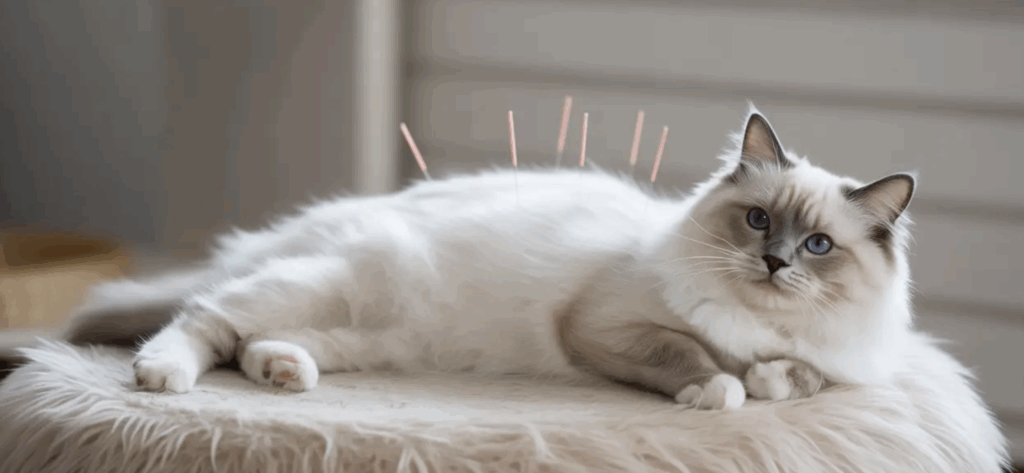
Acupuncture is the 1st branch of Traditional Chinese Veterinary medicine (TCVM). Acupuncture is a versatile therapy that can support pets with a wide range of medical conditions. Most pets tolerate it very well, and its benefits are not limited to older animals or those in pain—pets of all ages can experience improved comfort and wellness through this natural treatment.
This therapy involves the careful placement of thin needles at specific points on the body, often along energy pathways called meridians, to encourage healing and restore balance. With a history spanning thousands of years in China, veterinary acupuncture is one of the oldest documented medical treatments for animals.
Within an integrative veterinary approach, acupuncture complements conventional Western medicine. While it is not a cure-all, it can be highly effective when applied appropriately and is generally minimally invasive with very few side effects. This makes it a safe and valuable option even for pets who are elderly, frail, or managing chronic illness.
What can acupuncture do for my pet?
Multi-Organ Support
Acupuncture helps balance and support your pet’s organ systems—like the heart, kidneys, liver, and digestive tract—promoting overall health, alleviating symptoms, and helping your pet feel their best at any age.
Pain Relief
Acupuncture encourages your pet’s body to restore balance naturally, providing relief from discomfort without relying solely on medications. This minimally invasive approach supports overall vitality while targeting pain at its source.
Neurologic Support
Pets with neurological challenges—such as seizures, paralysis, weakness, or nerve dysfunction— can benefit from regular acupuncture sessions to support nerve signaling and overall neurologic function.
Support for Chronic Diseases & Degenerative Conditions
Acupuncture can increase blood circulation, enhancing joint function and flexibility, helping pets move more freely and comfortably especially if they are older or have chronic joint disease
Stress and Anxiety Reduction
Gentle acupuncture treatments can promote relaxation and help regulate the nervous system, making it beneficial for anxious, fearful, or highly sensitive pets.
Cancer Support
Acupuncture can help ease discomfort, slowing growth, reduce treatment-related side effects, and support your pet’s immune system, promoting comfort and quality of life throughout their healing journey.
Frequently Asked Questions
About Veterinary Acupuncture
Is acupuncture safe for my pet?
Yes. When performed by a trained veterinarian, acupuncture is minimally invasive and well-tolerated. It has very few side effects and can be safely used in pets of all ages, including young, elderly, or medically fragile animals.
What can acupuncture treat/manage?
Acupuncture helps pets of all ages maintain balance, comfort, and vitality. It can be used to manage pain, support healing after injury or surgery, address chronic conditions such as arthritis or neurologic disorders, ease inflammation or allergies, and improve overall well-being—including during aging, cancer care, or palliative support.
SEE FULL TREATMENT LIST ON BOTTOM
How does acupuncture work?
Acupuncture stimulates specific points on the body to influence the nervous, endocrine, and immune systems. It can increase circulation, release natural pain-relieving chemicals like endorphins, support organ function, and restore balance to the body
How often does my pet need acupuncture treatment?
The frequency of acupuncture treatments is based on your pet’s individual needs, age, and the condition being addressed. Pets with more severe or acute concerns may benefit from weekly sessions initially, while those with milder conditions may require treatments every few weeks. As your pet responds to therapy, visits can be gradually spaced farther apart. Many pets also benefit from periodic maintenance sessions to help preserve progress and support long-term comfort, mobility, and overall quality of life.
During your initial consultation, a customized treatment plan is developed based on your pet’s health history, lifestyle, and response to therapy. Treatment plans are flexible and may be adjusted over time to maintain results, support wellness, or address new concerns. While many pets respond well to acupuncture, individual results may vary, and no specific outcome can be guaranteed. I am always happy to work collaboratively with you to create a plan that aligns with your goals, schedule, and financial considerations.
How long is an acupuncture treatment?
Most acupuncture treatments last approximately 15–30 minutes, depending on your pet’s specific needs, comfort level, and therapeutic goals. Each visit includes time for assessment, gentle needle placement, and a brief rest period to allow the treatment to work effectively.
Sessions are always guided by your pet’s tolerance and may be adjusted or shortened to ensure a positive experience. For the best results, we recommend a quiet, comfortable space where your pet feels relaxed—familiar surroundings, gentle reassurance, and favorite treats can help make the session even more calming
What types of acupuncture treatments do you use?
Dry Needle Acupuncture – This is the most commonly used technique and involves placement of fine needles at specific acupuncture points
ElectroAcupuncture – mild electrical stimulation applied to acupuncture needles to enhance therapeutic effects. It is often used for more complex pain conditions, neurologic disorders, or muscle weakness.
AquaAcupuncture – Aqua-acupuncture involves injecting a small amount of Vitamin B12 into acupuncture points, providing longer-lasting stimulation. This option may be beneficial for pets sensitive to needles or those requiring sustained therapeutic effects.
Moxibustion – Moxibustion is a warming technique used at acupuncture points to improve circulation and comfort. It is commonly used for senior pets, arthritis, or conditions affected by cold or stiffness.
What should I expect DURING an acupuncture session? And what should I expect AFTER the session?
- Comprehensive Evaluation (Western + Eastern Physical Exams)
Review of medical history, diagnostics, and current medications
Neurologic examination
Traditional Chinese Veterinary Medicine (TCVM) evaluation, such as assessing posture, movement, pulses, and tongue when appropriate
During Needle Placement
Many pets are surprisingly calm during acupuncture. The needles used are extremely thin and sterile, and placement is typically well tolerated. Most animals relax, lie down, or even fall asleep during treatment. Sessions are always paced to your pet’s comfort, and adjustments are made as needed.
Your Role During the Session
Your presence is often very helpful. Gentle reassurance, calm energy, light petting, or offering treats can support relaxation. You’ll be guided on how to assist, and there’s no pressure—simply being there is usually enough.
After the Treatment
Following acupuncture, it’s normal for pets to experience:
Temporary fatigue or sleepiness (sometimes for 24–48 hours)
Increased relaxation or calm behavior
Mild soreness or stiffness in rare cases
These responses are typically short-lived and often indicate the body is responding to treatment. Many owners also notice improved comfort, mobility, or mood within days.
Aftercare Expectations
After the session, your pet should have access to water, rest, and a calm environment. Strenuous activity may be limited for the remainder of the day, depending on your pet’s condition. You’ll receive personalized guidance on what to monitor and when to follow up
Can acupuncture replace conventional veterinary care?
Acupuncture is used as a complement to conventional veterinary care, not a replacement. In some cases, as a pet’s comfort, mobility, or overall condition improves, it may be possible to gradually reduce certain medications or adjust dosing.
Any changes to medications are made cautiously and on a case-by-case basis, depending on your pet’s diagnosis, disease severity, response to treatment, and overall health. Not all pets or conditions are appropriate for medication reduction, and some pets will continue to require long-term medical therapy.
Medication decisions are always guided by medical judgment, close monitoring, and collaboration with your primary veterinarian when appropriate.
How to make an appointment?
You can either email us at info@holisticharmonyvet.com or better yet, fill out the intake form
Therapeutic Applications Of Acupuncture
Whole Body Benefit
Enhances immune system; helps stabilize autoimmune diseases and in some cases cancer
Supports recovery after surgery or illness
Promotes overall vitality and relaxation
Neurologic
Intervertebral disc disease (IVDD)
Nerve injury or paralysis
Weakness in limbs
Wobblers or cervical instability
Seizure management
Neuropathic pain
Musculoskeletal
- Arthritis and degenerative joint disease
Hip dysplasia
Cruciate ligament injury (similar to ACL tear in people)
Muscle soreness or strain
Back pain and stiffness
Lameness or gait abnormalities
Post-operative or post-injury recovery
Dermatologic
Allergies (food or environmental)
Chronic itching and hot spots
Atopic dermatitis
Stabilize autoimmune skin disease (pemphigus, lupus) in some cases
Poor coat quality or hair loss
Wound healing
Renal and Urinary System
Chronic kidney disease (CKD)
Acute kidney injury (supportive therapy)
Urinary incontinence
Urinary tract infections (UTIs)
Bladder inflammation (cystitis or idiopathic feline cystitis)
Bladder stones (as supportive care)
Difficulty urinating or frequent urination
Edema or water retention
Age-related weakness (associated with kidney deficiency in TCVM theory)
Ears/Eyes
- Dry eye (keratoconjunctivitis sicca)
- Corneal ulcers (as adjunctive therapy)
- Uveitis
- Sudden blindness (SARDs, optic neuritis – supportive)
- Glaucoma (stabilizing)
- Chronic otitis externa (ear infections)
- Vestibular disease (head tilt, balance issues)
- Ear pain or itching
- Ear hematomas (post-drainage healing support)
Oncology
Pain management (tumor pain, bone pain)
Chemotherapy-induced nausea, vomiting, or anorexia
Fatigue and weakness
Anxiety and restlessness
Immune system support
Inflammation reduction
Peripheral neuropathy (nerve pain secondary to cancer or treatment)
Tissue healing post-surgery or radiation
Improving overall comfort and vitality
Cardiovascular
Congestive heart failure (as supportive care)
Heart murmurs
Arrhythmias
Fatigue or exercise intolerance
Peripheral circulation issues (cold limbs, weak pulses)
Behavioral and Mental Health
Anxiety or separation stress
Noise or thunderstorm phobias
Cognitive dysfunction (senility)
Depression or withdrawal after illness or loss
Hyperactivity or restlessness